Radon Testing & Mitigation in Berks County, PA
Short-term and long-term radon tests, full mitigation system installs, and post-mitigation retests in Reading, Wyomissing, Sinking Spring, Kutztown, and across Berks County. The Reading Prong runs straight through this region — radon levels are among the highest in Pennsylvania, and basement readings in the teens are common.
- Real-estate testing in 24–48 hours
- Single-day mitigation installs
- Local, licensed, insured radon vendors
Mon–Sat, 8am–7pm
Radon services in Berks County
Radon work splits into two phases — measuring what the home reads, and reducing it if the reading is high. Both phases are handled in-county.
Radon Testing
Short-term (48–96 hour) and long-term (90+ day) tests for owner-occupied homes, rental properties, and pre-listing inspections. Sealed canisters and lab analysis, or continuous radon monitors when same-day data is needed.
Radon Mitigation
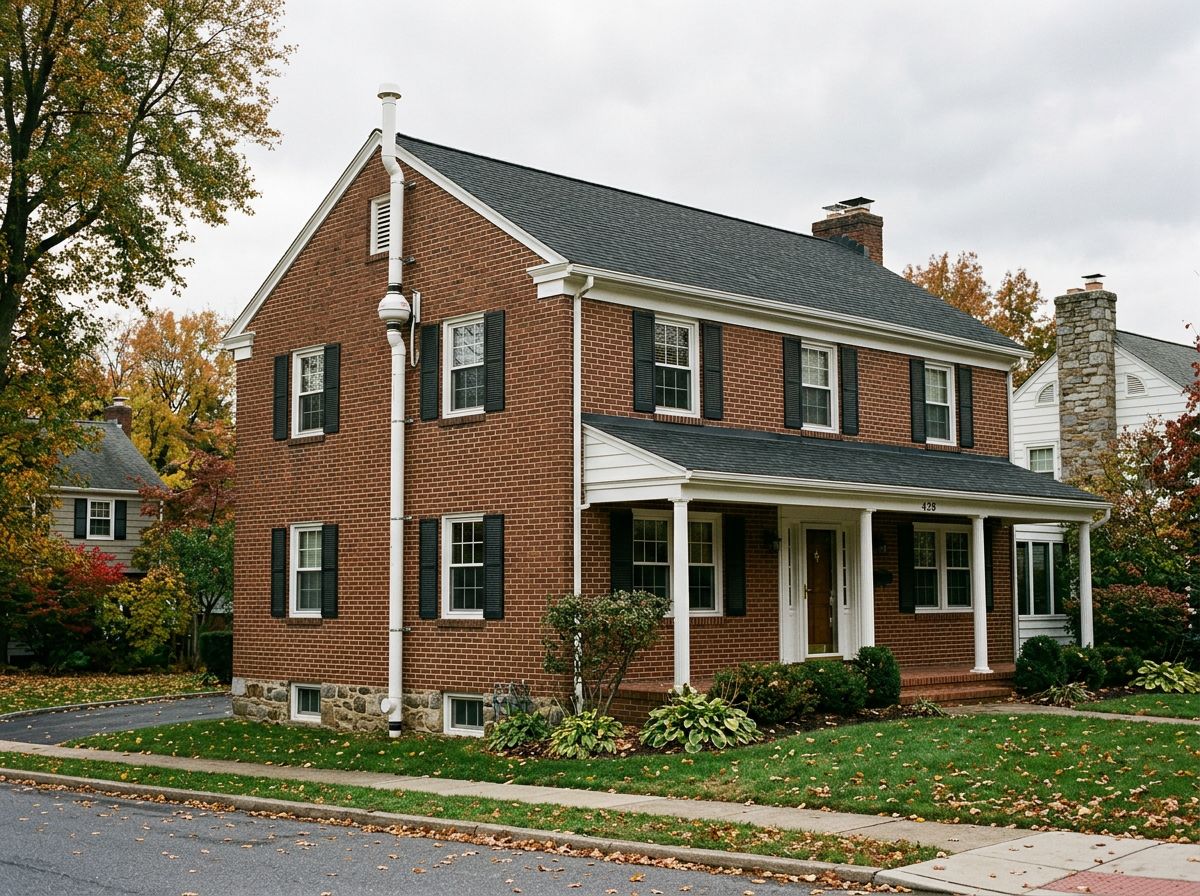
Active sub-slab depressurization for basement and slab-on-grade homes — the standard fix in Berks County. Includes fan, sealed PVC stack, manometer, and exterior discharge above the eaves per ASTM E2121.
Sub-Slab Depressurization
The mechanical principle behind most installs: a small core hole through the slab, pipe routed to a fan-driven exhaust outside, soil gas pulled continuously. Reliably brings homes below 4.0 pCi/L when designed for the building's footprint.
Crawlspace Radon Mitigation
Older Reading-area homes with dirt or partial crawlspaces need a different approach: heavy-mil polyethylene vapor barrier across the soil, sealed at the perimeter, and a depressurization pipe tied under the membrane to a fan vented above the roofline.
Real Estate Radon Test
Inspection-period tests with tight turnaround. Continuous radon monitors give same-day or next-day data when a closing date is in play. Reports are formatted for buyer agents and inspection contingencies.
Post-Mitigation Retest
A short-term test 24 hours to 30 days after the fan energizes, confirming the home reads below 4.0 pCi/L. Standard step on every install and required by most real-estate transactions.
Need radon work in Berks County?
Most appointments are scheduled the same week. Real-estate-deadline tests can usually be slotted within 24–48 hours.
Call (610) 510-8108What a typical mitigation install looks like
1. Walkthrough. The basement, slab, sump, and utility chases are inspected to choose a suction point. Reading-area homes range from 1900s rowhomes with stone foundations to 2010s tract builds on poured slab — each gets a system designed for its footprint.
2. Suction-point install. A 4–5" core hole through the slab, dirt cleared from below, sealed PVC suction pipe set in place. The pipe is routed through a closet, utility chase, or the exterior wall.
3. Fan + discharge. The mitigation fan is mounted in an attic or on the exterior wall. Discharge stack terminates above the eaves and away from windows, per EPA and ASTM standards.
4. Manometer + label. A U-tube manometer is mounted on the visible portion of the pipe so the homeowner can verify the fan is pulling at a glance. System label and warranty paperwork are left on site.
5. Post-mitigation retest. A short-term test runs 24–48 hours after the fan is energized. If the home is not below 4.0 pCi/L, adjustments are made at no additional cost until it is.
Towns covered
All of Berks County — from Reading and the inner-ring boroughs to the rural townships at the county edge. Most appointments scheduled same-week.
Berks County towns served
Click any town to see its location on Google Maps.
Dedicated city pages
See the full list of areas served →
What homeowners say
"Test on a Wyomissing colonial came back at 11.4 in the basement, which shocked us for a house only twelve years old. Install was tidy, the discharge pipe is barely visible from the street. Retest dropped to 1.6."
— Megan T., Wyomissing
"Buyer's inspection on a Kutztown rancher needed a 48-hour test before a tight closing. Continuous monitor went in next morning, report was emailed two days later. The deal didn't slip."
— Anthony C., Kutztown
"Old farmhouse outside Bernville with a fieldstone foundation and a dirt crawlspace. Walkthrough caught that a single suction point wouldn't be enough. Two-suction system plus a vapor barrier brought it down from 14.2 to 1.0."
— Dan R., Bernville
Common questions
Why is radon a problem in Berks County?
Eastern Pennsylvania sits over the Reading Prong — a band of uranium-bearing granite and gneiss that runs across Berks, Lehigh, and Northampton counties. Soil gas concentrations here are among the highest in the country. Pennsylvania DEP data puts the average indoor reading in Berks above the 4.0 pCi/L EPA action level, and basement readings in the teens are common.
How long does a short-term test run?
Forty-eight to ninety-six hours under closed-house conditions (windows shut, HVAC normal, no basement doors propped open). Lab results land within a business day after the canister is picked up. Continuous radon monitors (CRMs) can produce same-day readings when a real-estate inspection deadline is tight.
What does a mitigation system cost in Berks County?
Most single-family Berks homes fall between $1,300 and $2,400 for a standard active sub-slab depressurization system on a poured or block foundation. Older homes around the city with stone foundations, multi-zone slabs, or finished crawlspaces run higher. A fixed quote is provided after a brief site walkthrough — no surprise add-ons after the install starts.
How long does an install take?
Most basement installs are finished in a single day, four to six hours start to finish. Crawlspace encapsulations and multi-suction systems run longer. The fan is operational the same day; a post-mitigation retest 24 to 48 hours later confirms levels are below 4.0 pCi/L.
Do new construction homes in Berks still test high?
Yes — frequently. Newer homes are tighter, which traps soil gas more efficiently than the leakier older stock. Homes built since 2010 in Wyomissing, Exeter, and the Spring Township subdivisions regularly test in the 5–12 pCi/L range. Age of construction is a poor predictor here. Test every home, every time.
Is the system warrantied?
Mitigation fans typically carry a five-year manufacturer warranty. Workmanship warranties of one to two years are standard from local installers. Specifics are confirmed in writing before any work begins.
Will the system raise the electric bill?
A radon fan draws about 60–90 watts continuously — similar to a small lamp. Most Berks homeowners see $4–$8 per month on the electric bill. Heat loss through the system is typically negligible because the air being pulled is already at ground temperature.
Ready to schedule?
Same-week appointments are typical across Berks County. Tight real-estate deadlines can usually be slotted in 24–48 hours.
Call (610) 510-8108